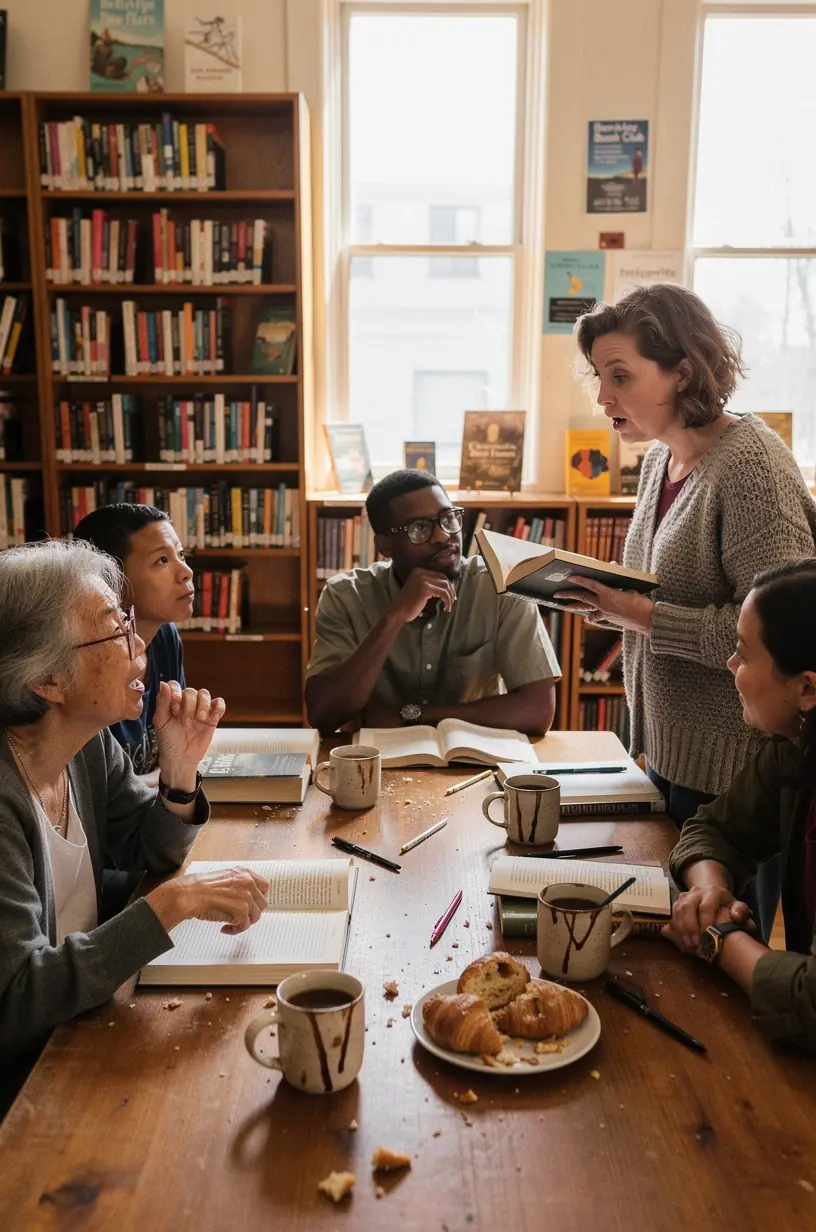
How to Engage in Community Volunteer Opportunities
Volunteering in your community can be a fulfilling way to give back and connect with others. However, knowing how to get started can be daunting. This article provides practical insights into finding and engaging in community volunteer opportunities, aiming to enhance local engagement and personal growth.
Understanding Community Volunteering
Community volunteering refers to the act of donating your time and skills to support local organizations, events, or projects. Research indicates that volunteering can significantly enhance personal well-being, with many participants reporting increased happiness and fulfillment. Experts recommend that engaging in community service not only helps those in need but also fosters a sense of belonging and community spirit.

"Volunteering can improve mental health and social connections, making it a valuable community resource." - Community Engagement Expert
Finding Volunteer Opportunities
Identifying suitable volunteering opportunities typically involves several steps:
- Assess Your Interests and Skills: Determine what you are passionate about and how your skills can contribute to those areas. This helps align your volunteer work with personal interests, increasing your engagement levels.
- Research Local Organizations: Many nonprofits, community centers, or local governments offer various volunteer programs. Websites such as Volunteer Canada or local community boards can provide listings of available opportunities.
- Attend Volunteer Fairs: Local events often showcase organizations looking for volunteers. These fairs provide a direct way to meet representatives, learn about their missions, and discover how you can help.
Engaging Effectively in Volunteer Work
Once you've found an opportunity, engaging effectively requires a few considerations:
- Commit to a Schedule: Many volunteer positions involve a time commitment. It is essential to recognize that engaging in volunteer work typically requires a dedication of at least a few hours each week. Make sure you can fulfill this commitment to avoid inconveniencing the organization.
- Be Open to Learning: Volunteering may involve a learning curve, especially if you're in a new environment. Be prepared to adapt and learn from your experiences to maximize your contribution.
- Communicate Clearly: Establishing clear communication with the organization is vital. Understand the expectations and responsibilities of your role, and don't hesitate to ask questions if you're unsure about anything.
Conclusion
Engaging in community volunteer opportunities can be a rewarding experience that not only benefits others but also enhances your personal growth and sense of community. By understanding the basics, finding suitable opportunities, and committing to your role, you can make a meaningful impact. Remember, while the benefits of volunteering are significant, it’s important to approach this commitment with realistic expectations and a willingness to learn. Start today, and contribute to making your community a better place.
Learn More