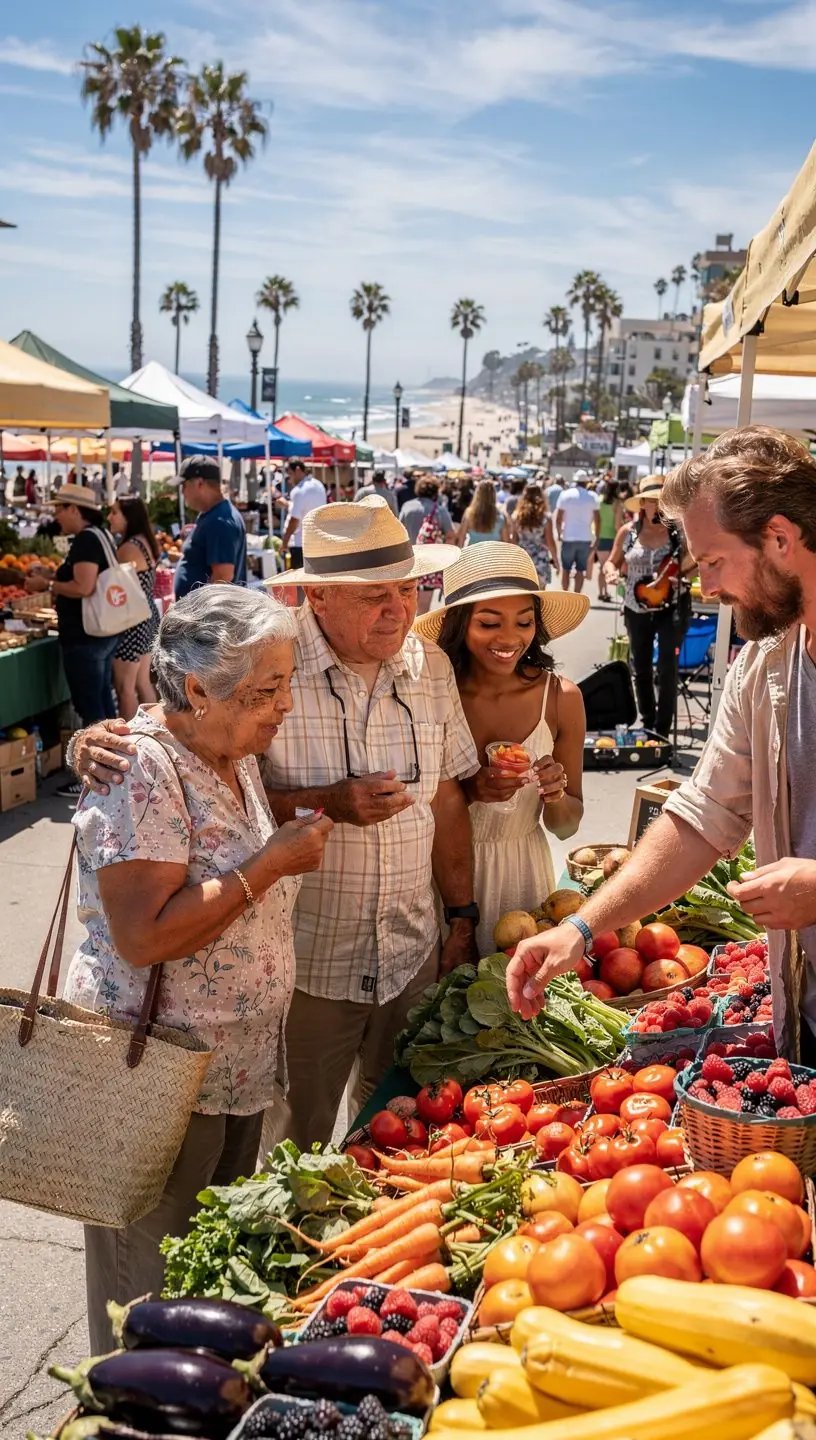
How Community Events Foster Local Connections
Community events play a vital role in enhancing social ties and building connections among residents. Understanding how these gatherings contribute to local cohesion can help us appreciate their value in our neighborhoods.
Understanding the Importance of Community Events
Community events serve as opportunities for residents to come together, share experiences, and form relationships. According to research conducted by the National Community Engagement Association, engaging in local events often leads to strengthened social networks and improved community well-being. These gatherings can range from festivals and fairs to workshops and volunteer activities, each designed to foster interaction and cooperation among community members.
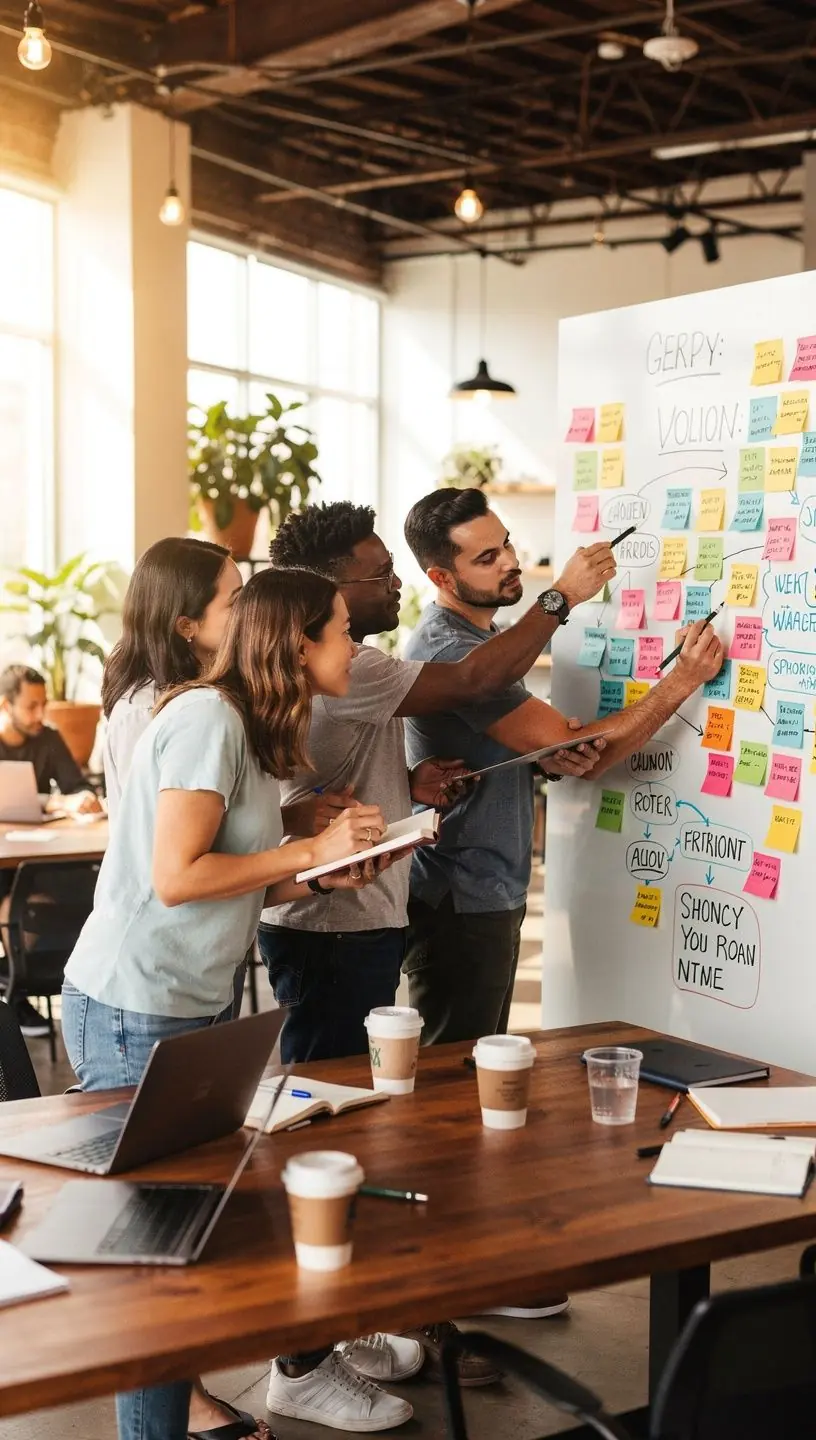
"Communities that engage in regular events typically report higher levels of trust and collaboration among residents." - National Community Engagement Association
How Community Events Create Connections
Events provide a platform for individuals to meet in a relaxed atmosphere, facilitating conversations that might not occur in the usual day-to-day settings. Here are some ways in which community events foster connections:
- Encouraging Participation: Many users report that participating in local events often leads to expanded social circles. Engaging with others in fun and relaxed environments can promote a sense of belonging.
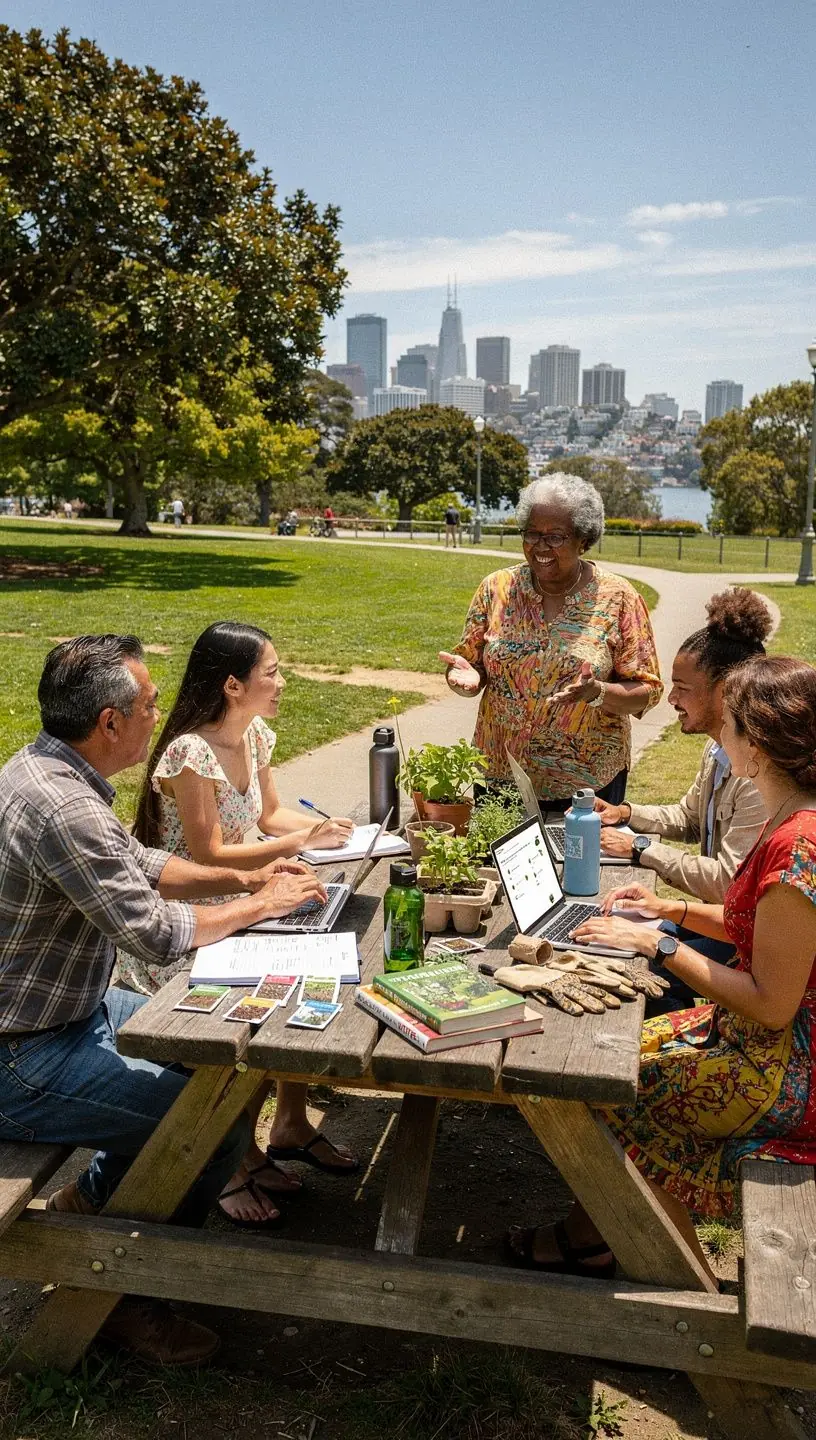
- Sharing Knowledge: Workshops and informational sessions at community events allow residents to share expertise and learn from one another, which can strengthen ties and build trust.
- Building Local Identity: Community events often highlight local culture and traditions, helping to instill a sense of pride in the community. This shared identity can motivate individuals to connect with others who value similar traditions.
The Benefits of Local Connections
Research indicates that communities with strong social ties often experience numerous benefits, including:
- Increased Safety: Residents who know their neighbors are more likely to look out for each other, which can lead to lower crime rates.
- Improved Health: Studies show that social connections can lead to better mental health outcomes, reducing feelings of loneliness and isolation.
- Enhanced Civic Engagement: Communities with strong connections often see higher participation in local governance and volunteer initiatives, promoting social responsibility.
Challenges and Considerations
While community events have many benefits, it’s important to acknowledge the challenges involved. Organizing events can require significant time and effort, often taking 2-4 months of planning. Additionally, events may not attract participation from all demographics, which can limit the diversity of connections formed. Engaging a variety of community members typically requires tailored outreach efforts.
Conclusion
Community events are instrumental in fostering connections among local residents, enhancing social networks, and promoting a sense of belonging. By providing opportunities for interaction and engagement, these events contribute significantly to community health and vitality. While organizing them requires commitment and effort, the potential benefits for local cohesion and well-being are substantial. Engaging in your community not only enriches your life but also supports the growth of a connected, thriving neighborhood.
Learn More